

Table of Contents
- What Is Dry Mouth (Xerostomia) and Why It Happens at Night
- Common Causes of Morning Dry Mouth
- Sleep Apnea, CPAP Therapy, and Dry Mouth
- CPAP Dry Mouth Solutions That Work
- How to Adjust CPAP Humidity for Better Sleep
- Bedroom Environment and Post-Waking Hydration
- When to See a Doctor
- Conclusion: Small Changes, Better Mornings
- Frequently Asked Questions
Last Updated: September 21, 2026
What Is Dry Mouth (Xerostomia) and Why It Happens at Night
Dry mouth, or xerostomia, is a condition where the salivary glands do not make enough saliva to keep the mouth wet. At night, saliva production naturally drops, so the problem becomes worse. This is why many people wake up with a dry mouth. CPAP.parts has been engaged in the field of healthcare since 2005, offering CPAP machines, masks, and accessories.
Saliva protects the teeth and oral tissues.
Night-time dry mouth is common. It usually points to mouth breathing, a medication, or a room that is too dry. It is rarely a sign of a serious problem by itself.
Common Causes of Morning Dry Mouth
The most common causes of morning dry mouth are mouth breathing, some medicines, dehydration, and low humidity in the bedroom. Most people have more than one cause at the same time.
Mouth Breathing and Nasal Congestion During Sleep
Mouth breathing is the leading cause for many people. When the nose is blocked, the body switches to breathing through the mouth. This dries the oral tissues all night. Nasal congestion from a cold, an allergy, or a deviated septum makes this more likely. Snoring often goes with it.
Medications, Dehydration, and Lifestyle Factors
Some medicines reduce saliva flow as a side effect. Antihistamines and decongestants are common examples. So are some drugs for blood pressure and depression. Alcohol and caffeine before bed also dry the mouth. So does smoking. A low fluid intake during the day adds to the problem. This is a pharmacological effect, not a fault in the person.
Sleep Apnea, CPAP Therapy, and Dry Mouth
Sleep apnea and dry mouth often appear together. Obstructive sleep apnea (OSA) causes repeated pauses in breathing during sleep. Many people with OSA breathe through the mouth at night, which dries the mouth. CPAP therapy treats OSA, but the therapy itself can also cause a dry mouth if the mask leaks or the humidity is too low. Chronic oral dryness resulting from these breathing disruptions can eventually compromise your long-term sleep apnea and dental health.
Signs of CPAP Mask Leak
A mask leak is a common cause of CPAP dry mouth. Watch for these signs:
- A hissing or whistling sound near the mask
- Air blowing into the eyes or onto the cheeks
- Red marks or sore skin on the face in the morning
- The mask moves when you change position
- A dry mouth or dry eyes when you wake
- The machine reports a high leak rate


CPAP Dry Mouth Solutions That Work
The best CPAP dry mouth solutions start with a good mask fit and the right humidity. Fix the leak first. Then raise the humidity. Then add a chin strap if the mouth still opens.
- Wash the mask cushion each day to keep a good seal
- Replace the cushion when it becomes stiff or cloudy
- Tighten the headgear in small steps, not all at once
- Try a full-face mask if you breathe through your mouth
- Use a chin strap to keep the mouth closed
- Raise the humidifier setting one step at a time
- Keep a glass of water by the bed for the morning
Change the mask cushion on a regular schedule, not only when it looks worn. A cushion that has lost its shape leaks in ways you cannot see or hear.
How to Adjust CPAP Humidity for Better Sleep
To adjust CPAP humidity, change one setting at a time. Give each new setting two or three nights before you change it again. This method lets you find the lowest setting that stops the dry mouth. A higher setting adds more water to the air. This added water helps to stop the mouth and throat from drying.
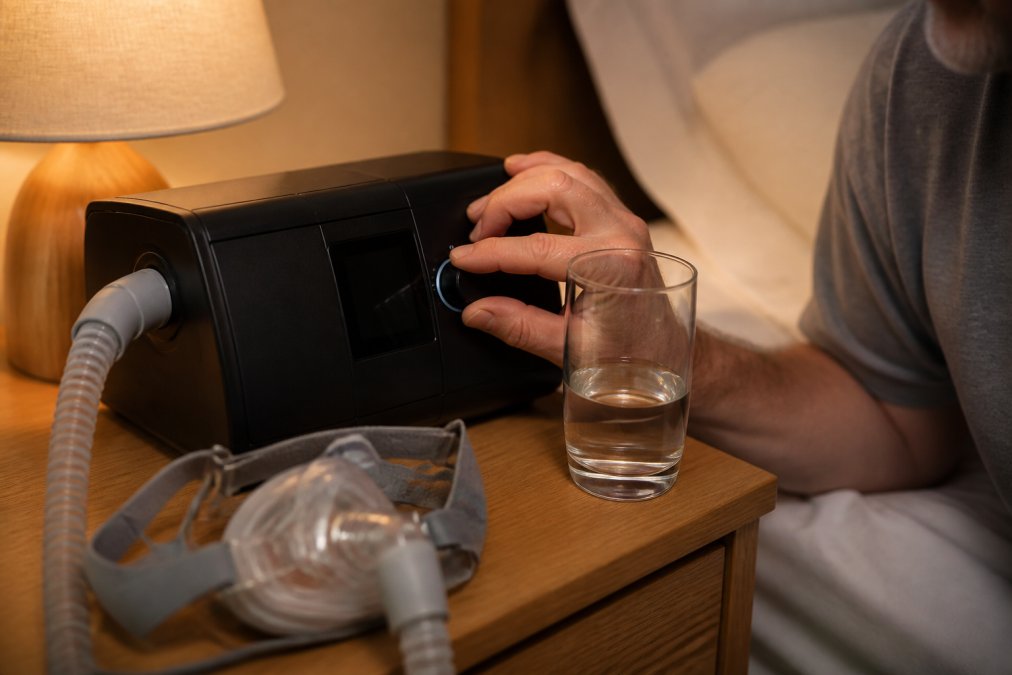
Use this step-by-step method:
- Start at the humidifier setting you use now. Note the number.
- Raise the setting by one level.
- Sleep for two or three nights at the new level.
- Write down how dry your mouth feels each morning.
- If the dry mouth continues, raise the setting by one more level.
- Stop at the first setting where the dry mouth stops.


What Is Rainout and How Do You Stop It?
If the room is cold, the water in the tube can turn back into liquid. This is called rainout. Rainout causes a gurgling sound, water drops in the mask, and a wet face in the morning. A heated tube stops rainout. The heated tube keeps the air warm from the machine to the mask. This warmth lets you use a higher humidity setting without rainout.
When Humidity Does Not Fix the Dry Mouth
If you still wake with a dry mouth at the highest humidity setting, the cause is probably a leak, not the humidity. Air that escapes through the mouth or past the mask cushion carries moisture away. Check the mask fit before you raise the humidity again. A full-face mask or a chin strap can also help if your mouth opens during sleep.
Keep a note of your humidity setting and your morning mouth comfort for one week. This record shows the pattern. Most people find their best setting within that week.
Bedroom Environment and Post-Waking Hydration
The bedroom environment matters more than most guides admit. Dry air pulls moisture from the mouth all night. Most bedroom air in winter holds very little water. A room humidifier adds water to the air and lowers the amount of moisture the mouth loses.
How to Set Up the Bedroom for Less Dryness
Use these steps each night:
- Set the room humidifier to keep the bedroom between 40 and 50 percent relative humidity. A small humidity meter shows the level.
- Keep the bedroom door closed. This step holds the moisture in the room.
- Keep the room cool but steady. A room that is too cold causes rainout in the CPAP tube.
- Place the humidifier away from the bed and away from the CPAP machine air inlet.
- Clean the humidifier water tank each day. Standing water can grow mold.
- Use distilled water in the humidifier. Tap water leaves mineral dust on surfaces.
- Keep pets out of the bedroom if you have nasal allergies. Pet hair and dust raise nasal congestion, and congestion leads to mouth breathing.
A common pattern is a bedroom that feels fine during the day but becomes very dry at night when the heating runs. The humidity meter shows this change. Adjust the humidifier output to match.
A Post-Waking Hydration Protocol for the First 30 Minutes
- Minute 0 to 2: Drink one full glass of water, about 250 milliliters, before you get out of bed. This step replaces the fluid you lost through breathing during sleep.
- Minute 2 to 5: Rinse the mouth with plain water and spit it out. This step clears the sticky coating on the tongue and gums.
- Minute 5 to 10: Use a saliva substitute if the mouth still feels dry. Saliva substitutes come as a spray, a gel, or a rinse. They add a coating that acts like saliva.
- Minute 10 to 20: Eat a small breakfast. Chewing starts saliva flow. Foods that need chewing, such as an apple or whole-grain bread, work well.
- Minute 20 to 30: Drink your coffee or tea. Caffeine is a mild diuretic. When you drink water first, the caffeine has less effect on how dry your mouth feels.
Do not use a mouthwash that contains alcohol to treat a dry mouth. It gives short relief, then makes the dryness worse. Check the label before you buy.
Oral Health Foundation advice on dry mouth lists alcohol-free products as the better choice for daily use.
When to See a Doctor
See a doctor if the dry mouth is chronic, if it does not improve with the steps above, or if you also have a dry mouth during the day. Other reasons to seek advice:
- A dry mouth with a sticky sensation that does not go away
- Trouble swallowing or speaking
- A white coating on the tongue that does not clear
- Tooth decay or gum problems that appear quickly
- A dry mouth with a medicine you take
- Loud snoring, gasping, or daytime fatigue
Conclusion: Small Changes, Better Mornings
Waking with a dry mouth is a common problem, and it usually has a simple cause. Check the mask fit, raise the humidity, add a room humidifier, and drink water on waking. If the problem continues, speak to your doctor.
Frequently Asked Questions
How do I stop waking up with a dry mouth?
Start with the bedroom. A humidifier adds moisture to the air, and a glass of water before bed helps your hydration status. If you use CPAP, check the mask for leaks and raise the humidifier setting in small steps. Limit alcohol and caffeine in the evening. If your mouth stays dry for more than two weeks, see a doctor or dentist. Persistent dry mouth can point to a medication side effect or an underlying medical condition that needs review.
Can CPAP therapy cause dry mouth?
Yes. Air from the CPAP machine can dry the mouth and throat, especially when the humidifier is off or set too low. A mask leak makes this worse because cold air escapes and pulls moisture from your mouth. Check the mask cushion for wear, refit the headgear, and raise the humidity setting one step at a time. Most people find relief within a few nights. If dryness continues, ask your sleep clinic to check your pressure settings.
Is dry mouth at night serious?
Occasional dryness is common and usually harmless. Chronic dry mouth is different. Without enough saliva, your teeth lose protection. This raises the risk of dental caries, gingivitis, and halitosis. A sticky sensation, tongue coating, or a burning feeling in the morning are warning signs. Talk to a dentist or doctor if these last more than a few weeks. They can check for hyposalivation and review your medicines.
When should I see a doctor for persistent dry mouth?
Book an appointment if dryness lasts more than two weeks, if you need water to swallow, or if you wake often with a choking feeling or loud snoring. These can be signs of obstructive sleep apnea, which needs a sleep study. Also see a doctor if you take antihistamines, decongestants, or other medicines that list dry mouth as a side effect. Do not stop any medicine on your own. Ask your prescriber about alternatives first.